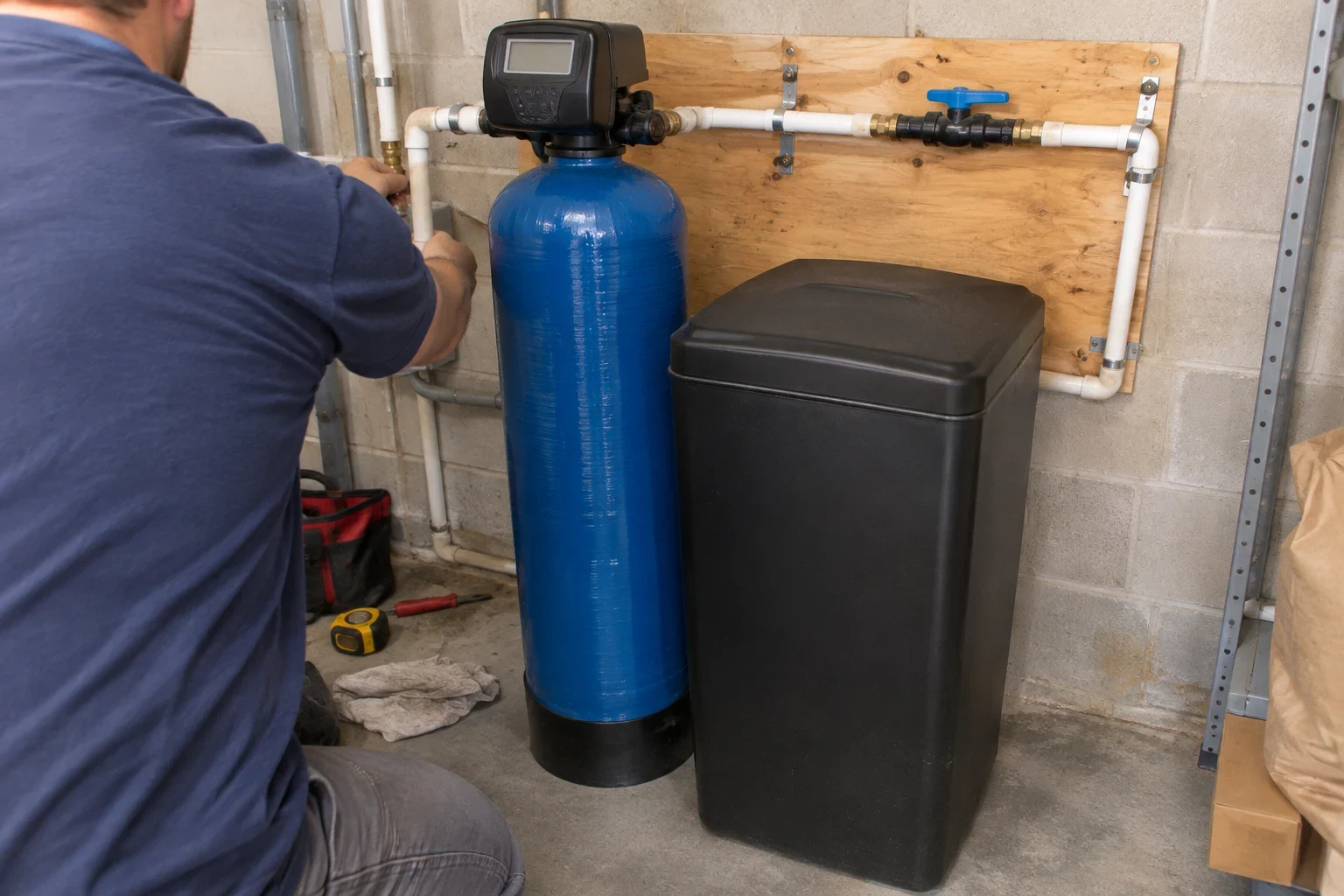
ServicesSystem Replacement
Water Softener & Filtration System Replacement in Zephyrhills
An aging softener or filter that needs constant attention costs you twice: in repairs now and in water quality you are not getting. We remove the old unit, install a system sized for your home and explain the upkeep it will need for years.
Knowing when a new system is the better buy
No softener or filter lasts forever. Resin wears down after thousands of regenerations, valve bodies crack or start leaking around their seals, and the carbon or specialty media in a filter tank gradually loses its ability to treat water. Eventually, paying for parts and visits costs more than starting fresh.
Our job is to tell you plainly where your system stands. When a fix is the smarter spend, we say that and our water softener repair and maintenance work can take care of it. When it is not, we put a few replacement options next to each other with the purchase price, how long each should last and what it will need every year. That way the system you choose still makes sense a decade from now.
What comes with your replacement
- Inspection of the existing equipment
- Before we price anything, we check the old unit along with the plumbing loop, drain line and electrical outlet. That tells us what can stay and what needs to change.
- A system sized to your household
- We base capacity on how many people live in your home, how many bathrooms you have and the problems you have noticed. An undersized softener regenerates over and over, using more salt and water than it should. An oversized one means paying up front for resin your family will never put to work.
- An itemized written estimate
- Equipment, plumbing labor and removal of the old system each get their own line. If something changes on install day, we talk with you about it before going ahead.
- Hauling the old unit away
- We disconnect the old mineral tank, brine tank and media and take all of it with us, so you are not left with heavy equipment sitting in the garage.
- Setup and a quick lesson
- We program the valve, run the first cycle and show you where the bypass is, how to check salt or filter timing and what normal operation looks like.
Clues your softener or filter has reached its end
Hard water symptoms return
Spotty dishes, mineral crust on fixtures and shampoo that barely lathers, all while the softener still cycles. Spent resin can look normal from the outside and do almost nothing.
The same unit keeps needing fixes
Replacing a valve, motor or seal two or three times in a short period is a strong hint that other parts are about to follow.
Replacement parts are scarce
Control heads from discontinued product lines can mean long waits for parts or makeshift fixes that never quite hold.
Tanks that crack or leak
Years in a hot Florida garage or outside wear tanks down. Once a mineral or brine tank cracks, it needs replacing rather than repair.
Chlorine taste keeps coming back
When fresh media goes into a filter and the chlorine smell or taste returns soon after, the problem may be the tank or valve itself.
What to expect from start to finish
- 1
A quick call
Describe what your system is doing and roughly when it was installed. We follow up with a couple of questions and pick a time to visit your home.
- 2
On-site look and estimate
We check the current equipment and plumbing, then go over replacement options and what each costs to own over time. The estimate is in writing, and there is no rush to decide.
- 3
Taking out the old, putting in the new
We shut the water off, set the bypass and remove the old equipment. The new system goes in with its own bypass valve, a proper drain connection and any plumbing updates we agreed on, with floor protection laid down where we work.
- 4
Startup and cleanup
We sanitize and flush the system, program the valve and check each connection for leaks. After cleaning up, we walk you through the simple upkeep it needs.
What moves the price of a replacement
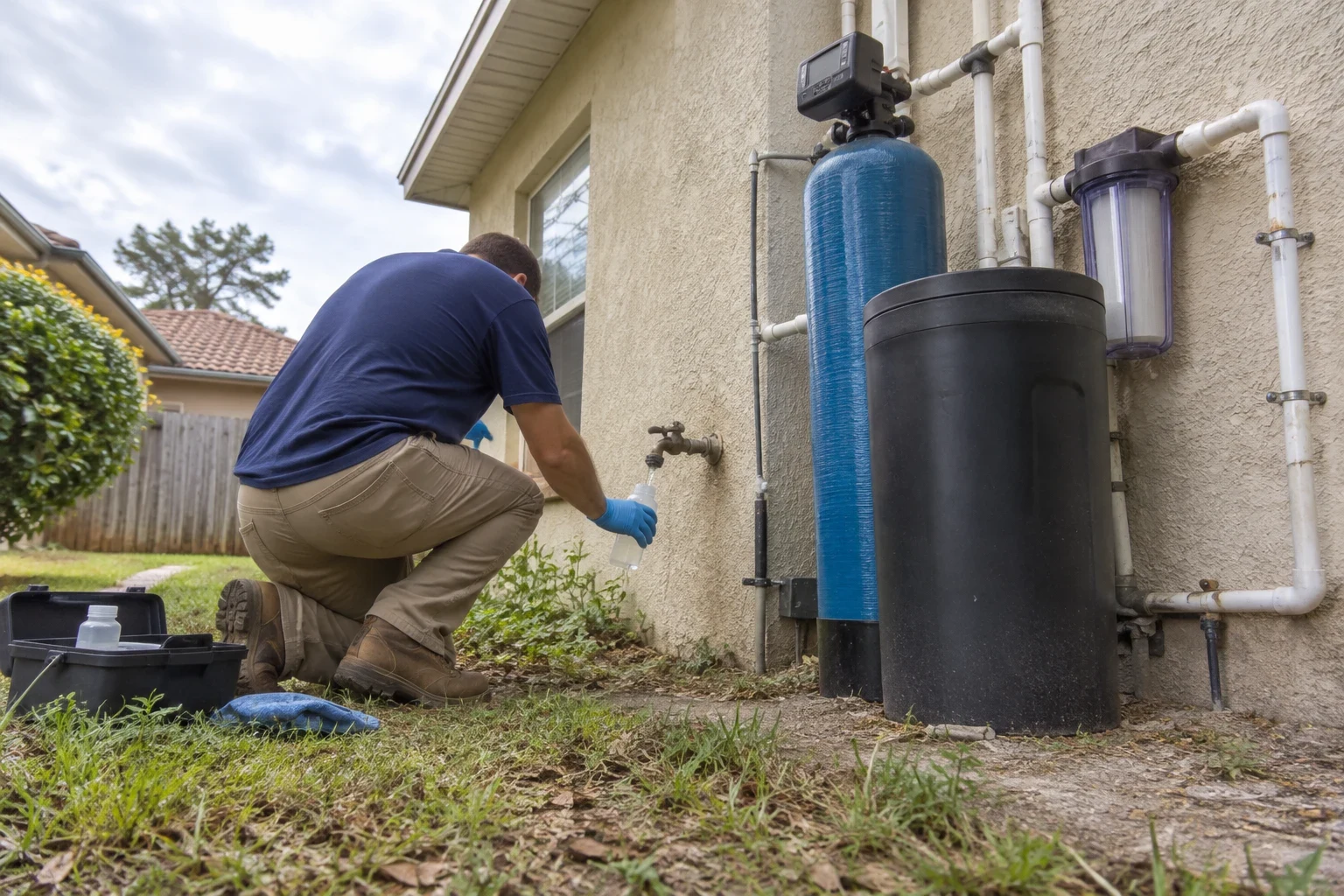
Two things drive most of the cost: the system you choose and how much of your current plumbing we can keep. We also add up what each option will cost you in salt, filter cartridges and service over the years. A lower sticker price can turn into the more expensive choice once upkeep is counted.
- The system you choose
- A softener on its own, a single filter tank, or a softener paired with filtration all land at different price points. Capacity matters as well, since larger tanks hold more resin or media.
- Grade of media and control valve
- Better resin, carbon and valves cost more at the start. They usually hold up longer and use less salt and water per regeneration, which pays back over time.
- Changes to the plumbing
- A sound, correctly sized loop keeps labor low. Running a new loop, moving the drain line or adding an outlet for the control valve takes more time and materials.
- Where the equipment sits
- Open floor space near the water line makes for a quick swap. Cramped closets and outdoor installs take longer, and outdoor lines in the Florida sun need added protection.
Common questions about replacing a system
Something not covered here? (813) 755-1194
Should I repair my softener or replace it?
Three things decide it: the unit's age, how often it has needed work and whether parts are still made for it. A fairly new unit with one failed part is usually worth fixing. An older one with a run of repairs or worn-out resin often costs less to replace than to keep patching. We give you our honest call and explain how we got there.
Does the new system have to match the old one?
No. Some people find that a softener alone never fixed what bothered them, so they add filtration or switch to whole-home filtration for chlorine taste and smell. We begin with what you disliked about the old setup and suggest options that address it.
Will you use the plumbing that is already there?
Yes, as long as the loop and drain line are sound and correctly sized. If we spot corrosion or piping that is too small, we show it to you and list the fix on the written estimate before any work starts.
How long will I be without water?
Only for short stretches while connections are made, because we set your home on bypass during the work. Most swaps are finished in a single visit.
What happens after the new system is in?
You are not on your own once we leave. We offer ongoing customer support for maintenance, filter replacements, and service needs. Whether a cartridge is due or the valve starts acting oddly, the number you called the first time still reaches us.
Ready to retire the old unit?
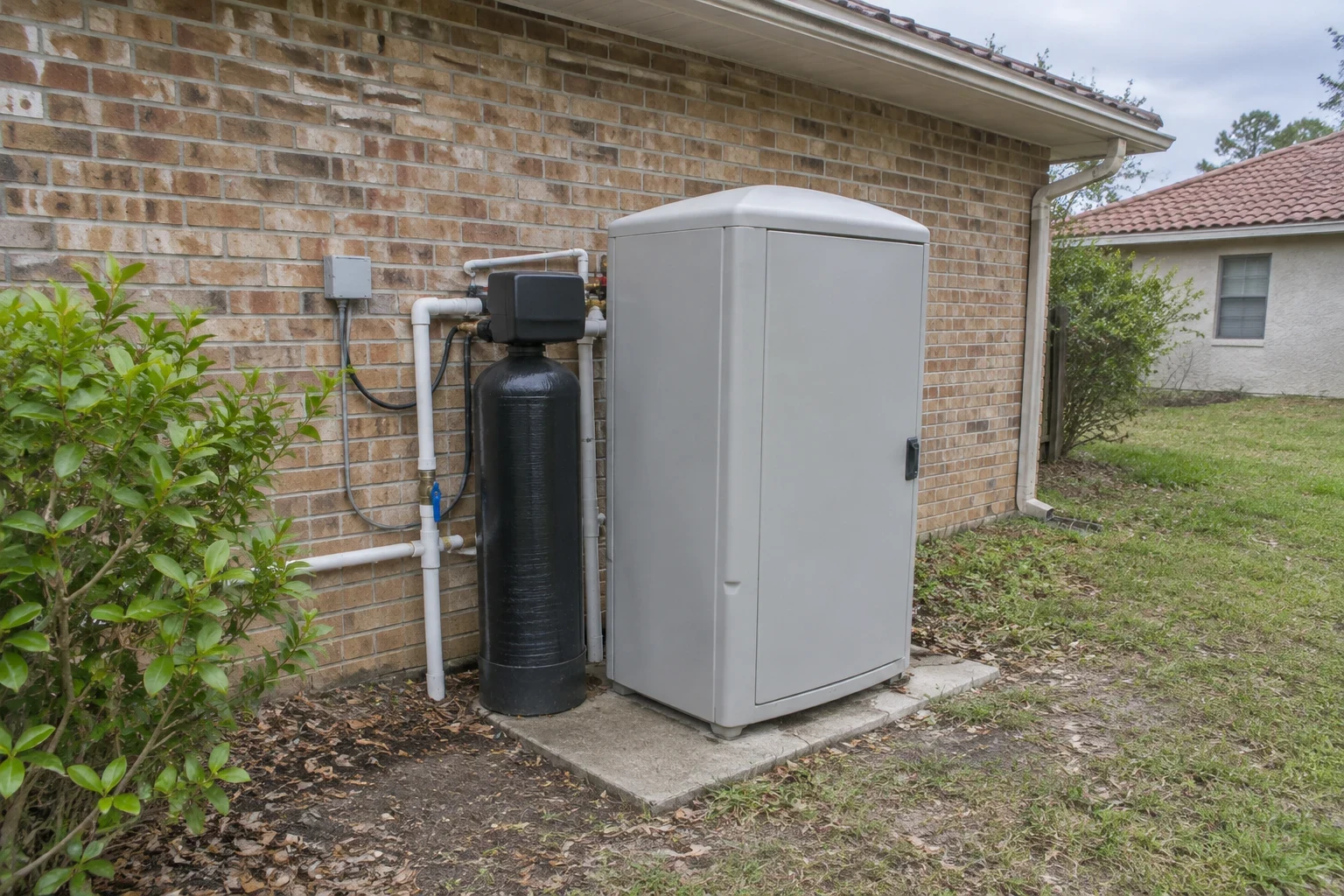
Tell us what your current system is doing and how long you have had it. We will help you weigh replacement options by what they cost to buy and to keep running.