ServicesChlorine & Chloramine Removal
Chlorine & Chloramine Removal in Zephyrhills
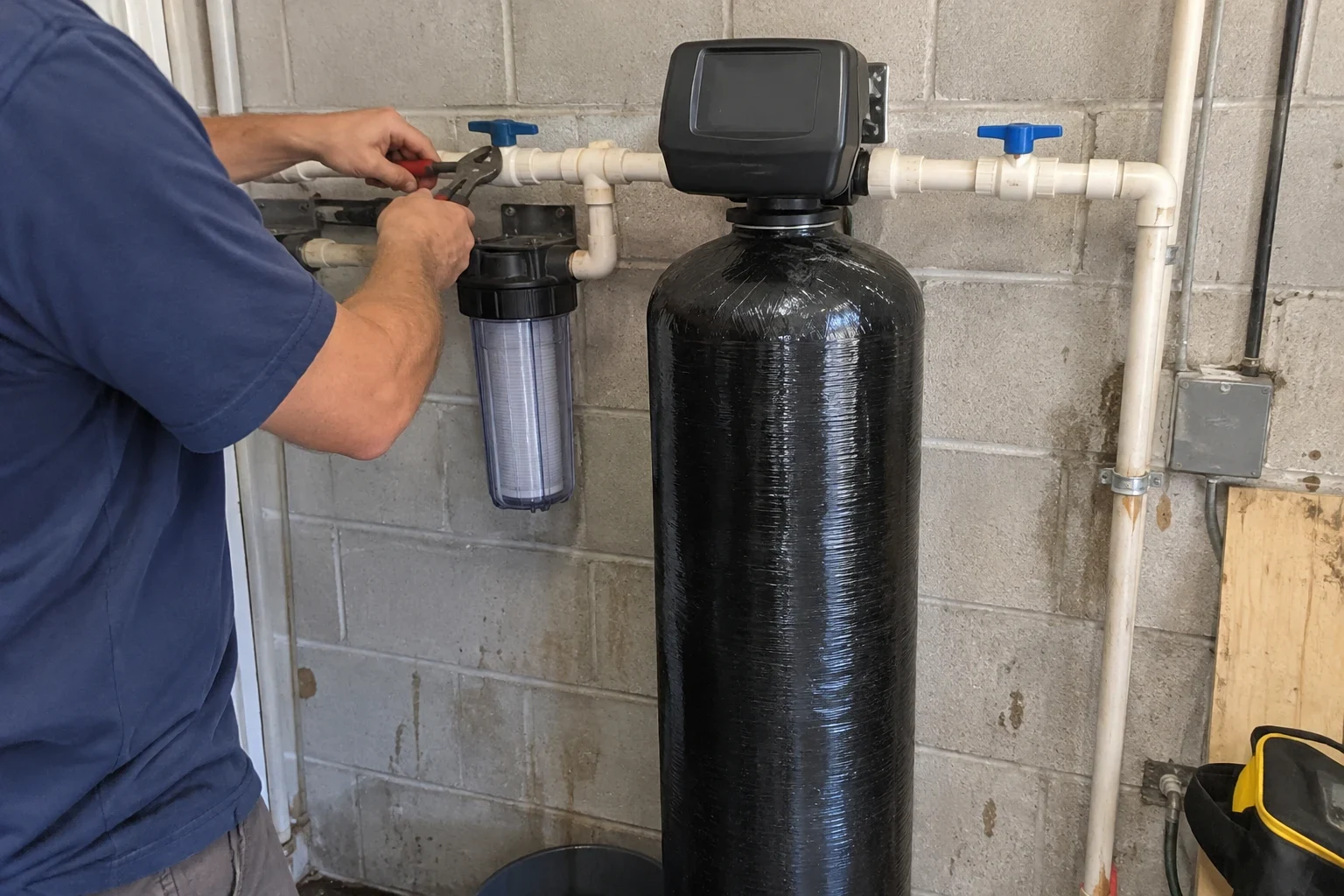
If your tap water smells like a swimming pool or your skin feels dry after every shower, the disinfectant your utility adds is the likely cause. We install carbon filtration at your main line, matched to chlorine or chloramine and sized so the media keeps working for years.
Better water from every faucet and showerhead
Utilities add chlorine or chloramine to keep water safe on its trip through miles of distribution pipe. Once it arrives at your faucet, that job is finished, but the disinfectant is still there. You notice it in your morning coffee, in the air of a hot shower and in how your skin and hair feel afterward.
Removing them is not the same task. Ordinary activated carbon pulls chlorine out easily. Chloramine is chlorine bonded with ammonia, a tougher compound that needs catalytic carbon and more contact time to break apart. A filter built only for chlorine lets chloramine slip through, and you are left paying for equipment that never fixed the problem.
Before suggesting a system, we compare what it costs to put in with how many years the carbon should serve your family and what it takes each year to keep it running. That way the choice still makes sense long after installation day.
What comes with your carbon system
Carbon chosen for your supply
Standard activated carbon handles plain chlorine well. Chloramine calls for catalytic carbon, and if you are not sure which one your utility adds, catalytic media takes care of both.
A tank sized for real use
We size by the number of bathrooms in your home and how much water tends to run at once. A bigger carbon bed gives every gallon more contact time and spreads the wear, so media changes come around less often.
A sediment prefilter
This low-cost cartridge sits in front of the carbon and catches grit before it can foul the media. It guards the part of the system that is pricier to replace.
A bypass and clean connections
With a bypass valve in place, your home keeps running water whenever the system is being serviced. We connect where the main line enters, usually in the garage or along an outside wall.
Upkeep explained before we go
You will know when the prefilter needs changing and roughly when the carbon will be due. Our ongoing customer support for maintenance, filter replacements, and service needs stays with you after the install, and reaching us is as easy as picking up the phone.
Signs the disinfectant in your water is getting to you
- Your shower smells like a pool
- Steam carries chlorine out of hot water and into the air, so the odor tends to build up most in a closed shower stall.
- Your coffee tastes flat
- Disinfectant dulls the flavor of coffee and tea. Many families end up hauling home jugs of water just for brewing.
- Skin feels tight and hair looks dull
- Daily showers in treated water can dry out skin and leave hair brittle. Anyone with sensitive skin usually notices it first.
- Your pitcher filter can't keep pace
- A pitcher handles a few glasses a day and does nothing for the shower. Many also struggle with chloramine.
- You care for fish or a pond
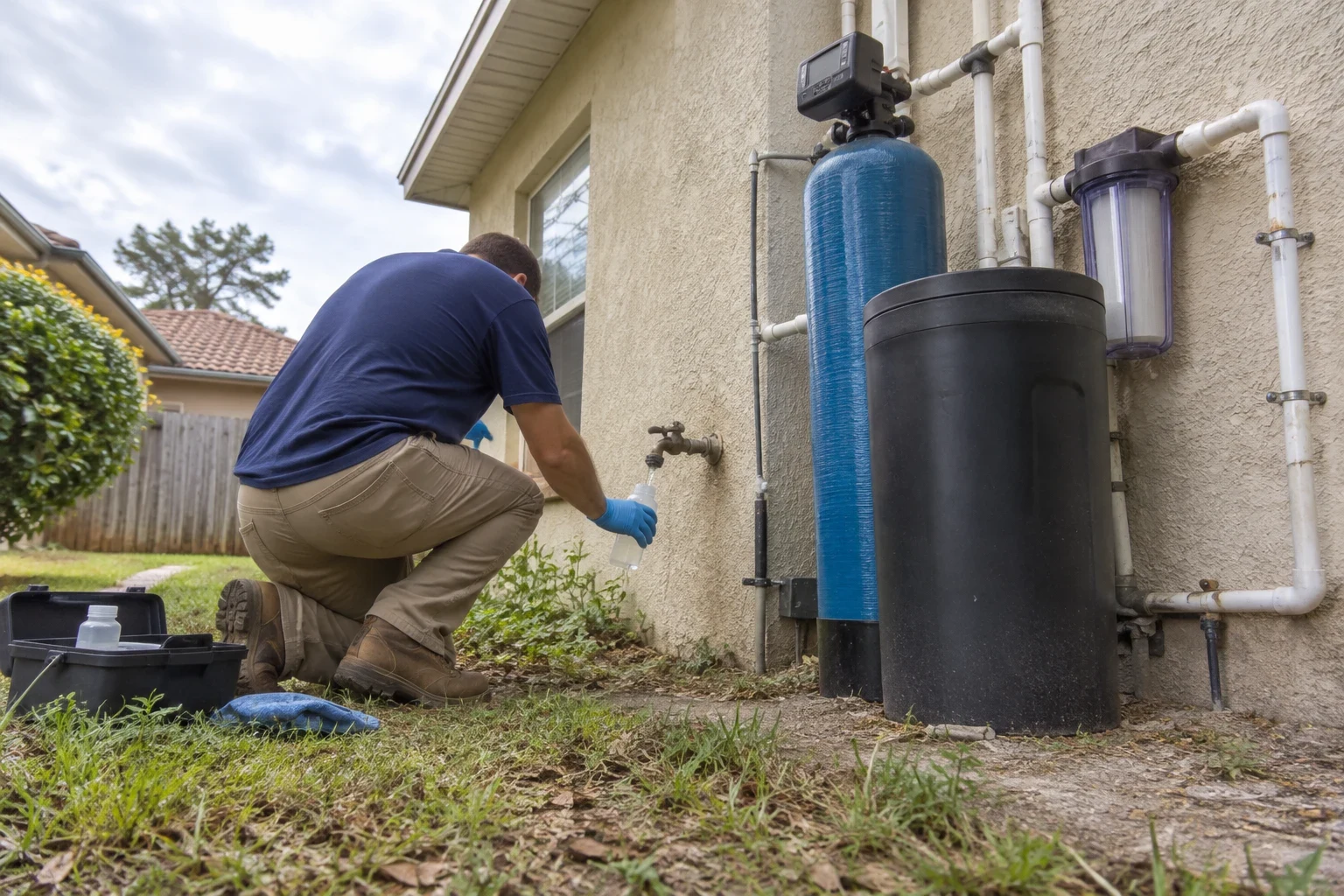
- Chloramine harms fish, and leaving water out to sit will not clear it the way it sometimes does with chlorine. Filtering at the main line makes water changes much easier.
How your installation goes
- 1
We start with a phone call
You tell us what you notice in your water, how many people live in your home and how many bathrooms you have. From there we can usually recommend a system and give you a quote.
- 2
Picking the location
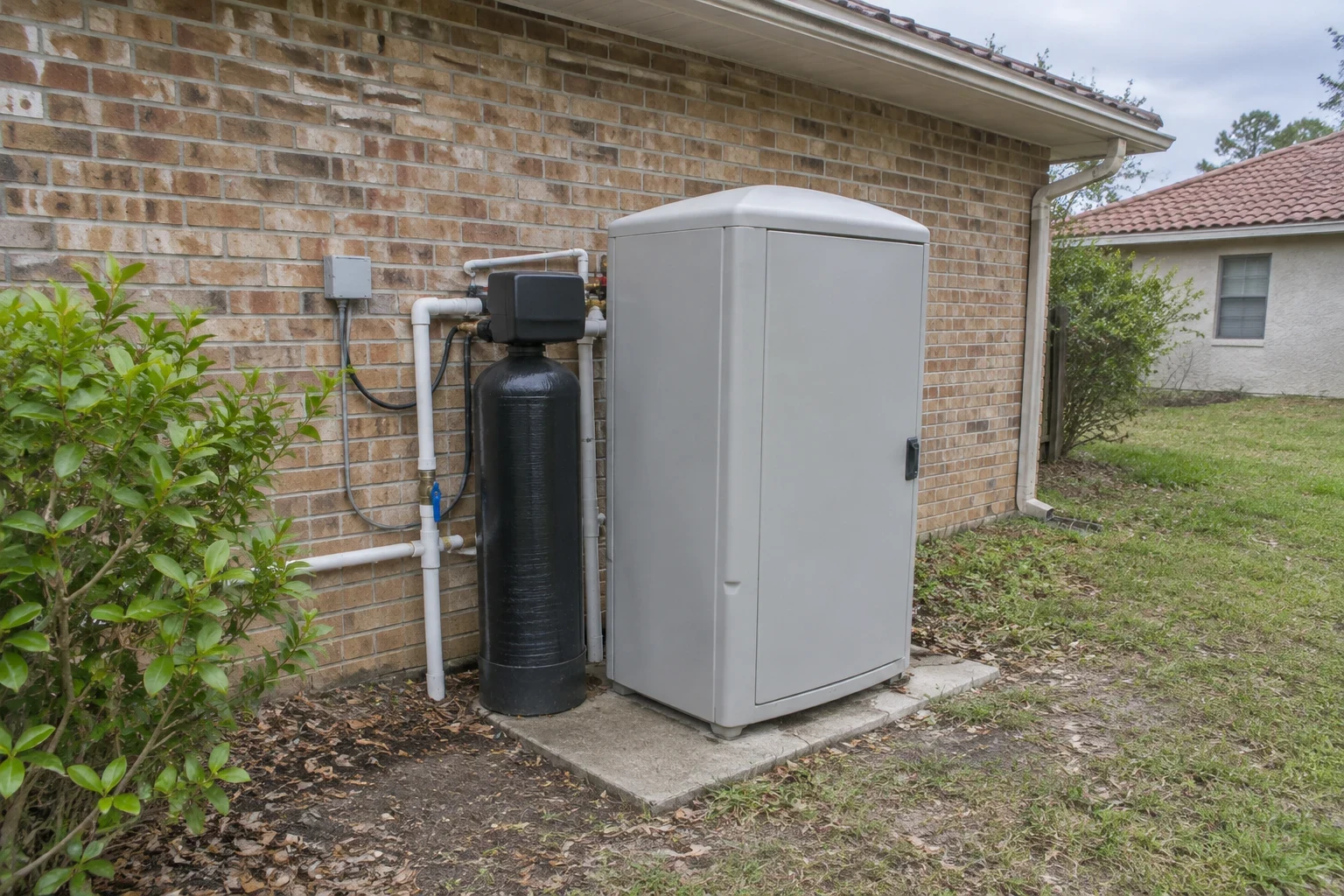
On arrival we find your main water line and pick a level, easy-to-reach spot for the tank. In many homes around Zephyrhills that means the garage or an exterior wall, which keeps the equipment out of your living space.
- 3
Setting the system
We shut the water off for a short while, plumb in the bypass and filter housings, and set the tank in place. Most jobs are done in one day, and the water is only off for part of it.
- 4
Rinsing and a quick walkthrough
We run water through the new carbon to wash out the fine dust, look over each connection for drips and tidy up where we worked. Then we point out the bypass and prefilter and go over when each part will need attention.
What sets the price of a chlorine removal system
The sticker price is only part of the story. A small tank that burns through its carbon every year can cost more over a decade than a larger one that runs several years between media changes. When you get your quote, we lay out the system cost and the expected upkeep side by side so you can compare them honestly.
- Which disinfectant you have
- Chloramine calls for catalytic carbon, which costs more than standard media. It also needs more contact time, so the tank is often a size up.
- How much water your household uses
- Each extra bathroom and each extra person pushes peak flow higher. A tank matched to that flow costs more at first but wears its media more slowly.
- Access to your main line
- If the line comes in at an open garage wall, the install is straightforward. Extra piping, rerouting or a protective cover for an outdoor setup adds time and materials.
- Extra stages
- Some homes need a heavier sediment stage ahead of the carbon. Others pair whole-home treatment with a reverse osmosis unit at the kitchen sink for drinking water.
Common questions about removing chlorine and chloramine
- Which disinfectant does my utility use?
- Your utility names it in the annual water quality report it publishes, and its customer service line can confirm it. If you would rather skip that step, catalytic carbon removes both chlorine and chloramine. That also covers you if the utility changes its treatment down the road.
- How often does the carbon need to be replaced?
- That depends on tank size, your daily water use and the disinfectant level in your supply. A properly sized whole-home tank usually runs for years before the media is due, while the sediment cartridge gets swapped more often. We give you a schedule based on your own household when the system goes in.
- Is water without chlorine still safe to use?
- Yes. The disinfectant does its job in the pipes between the treatment plant and your home, and filtering it out at the main line is a widely accepted practice. Just avoid leaving filtered water sitting in open containers for long stretches, since it no longer has that residual protection.
- Will the filter cut my water pressure?
- A correctly sized tank causes only a slight drop that most people never notice. Pressure complaints usually trace back to a tank too small for the home's flow. That is why we size by bathrooms and household, not by the lowest price.
- Could I treat only my drinking water?
- You could. An under-sink reverse osmosis system takes chlorine and chloramine out of the water you drink and cook with. It will not change your showers, laundry or bathroom air, so many families go with whole-home filtration, and some add both.
- Will this soften my water too?
- No. Carbon targets disinfectants and improves taste and odor, but it leaves hardness minerals in place. If you see scale on fixtures, we can discuss whether a water softener belongs alongside your carbon system.
Let's get the smell and taste out of your water
Share what bothers you about your water and how your household uses it. We will suggest the carbon type and tank size that fit, and walk you through what upkeep costs over the years.